Introduction
E-commerce in India has witnessed explosive growth, driven by increased internet penetration, affordable smartphones, and the rise of digital payments. Whether you’re selling fashion apparel, electronics, groceries, or niche handmade products, a well-designed e-commerce website is essential for attracting customers and converting them into loyal buyers.
If you want to stand out in India’s highly competitive online market, partnering with a professional web designing company in Bangalore can help you build a visually appealing, user-friendly, and conversion-driven e-commerce platform.
1. Understanding the Indian E-commerce Landscape
Before you start designing, it’s essential to understand the target market.
- Market Size: India’s e-commerce market is expected to reach USD 350 billion by 2030 (Source: IBEF).
- User Demographics: A mix of urban tech-savvy millennials, Gen Z shoppers, and rural buyers entering the digital economy.
- Key Platforms: Amazon India, Flipkart, Meesho, Nykaa, and niche D2C brands.
- Popular Categories: Fashion, electronics, beauty, grocery, and home décor.
Image suggestion: Graph showing growth of India’s e-commerce market from 2015 to 2030
Alt text: Growth chart of Indian e-commerce industry 2015–2030
2. Essential Elements of an Effective E-commerce Website
Here’s what every Indian online store should have for maximum performance:
| Element | Description | Why It Matters |
|---|---|---|
| Responsive Design | Mobile-first layouts for all devices | 75% of online shoppers in India use smartphones |
| Fast Loading Speed | Optimize images & hosting | Every 1-second delay reduces conversions by 7% |
| Clear Navigation | Simple menu, filters, search bar | Helps customers find products quickly |
| High-Quality Images | Professional product photography | Builds trust & reduces returns |
| Secure Checkout | SSL, trusted payment gateways | Ensures buyer confidence |
| Multiple Payment Options | UPI, cards, wallets, COD | Matches Indian customer preferences |
| SEO Optimization | Keyword-rich titles, meta tags | Improves visibility in Google search |
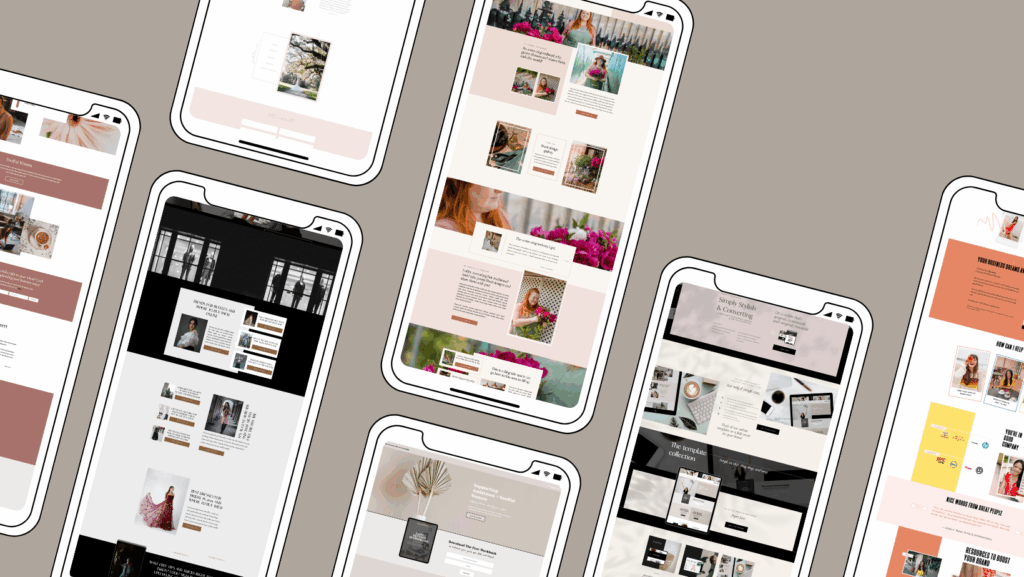
Image suggestion: Mobile and desktop version of an e-commerce homepage side-by-side
Alt text: Responsive e-commerce website design for desktop and mobile
3. The Role of UX/UI in E-commerce Success
A great design isn’t just about looks — it’s about user experience (UX).
- Intuitive Navigation: Categories & filters should be easy to use.
- Prominent CTA Buttons: “Add to Cart” and “Buy Now” should stand out.
- Minimal Checkout Steps: Reduce form fields to speed up the process.
- Personalization: Use AI to recommend products based on user history.
📌 Tip: Hire an experienced web designing company in Bangalore that understands both Indian user behavior and global design trends.
4. SEO-Optimized Content for E-commerce
Search engines are a major source of traffic for Indian online stores.
Key practices include:
- Optimizing meta descriptions, product titles, and image alt text
- Creating category-specific landing pages targeting keywords like buy kurtas online, best budget smartphones in India
- Writing detailed product descriptions instead of copying manufacturer content
Image suggestion: Screenshot of a product page with well-optimized content
Alt text: SEO-friendly e-commerce product page example
5. Payment Gateway Integration for India
For an Indian e-commerce website, payment flexibility is crucial:
- Popular Gateways: Razorpay, PayU, Instamojo, CCAvenue
- Payment Modes: UPI, Net Banking, Debit/Credit Cards, Wallets, Cash on Delivery
- Security: SSL Certificates, PCI-DSS compliance
Table – Payment Options Popularity in India
| Payment Method | Popularity (%) |
|---|---|
| UPI | 55% |
| Debit/Credit Cards | 25% |
| Wallets (Paytm, PhonePe) | 12% |
| Cash on Delivery | 8% |
6. Mobile-First Design Approach
Since most Indian shoppers buy through smartphones, designing for mobile first is essential:
- Use AMP (Accelerated Mobile Pages) for faster loading
- Keep navigation simple with hamburger menus
- Large, tap-friendly buttons
- Mobile-optimized images and videos
7. Digital Marketing for E-commerce Websites
A well-designed website still needs visitors. That’s where digital marketing comes in:
- Search Engine Optimization (SEO) – Improve ranking for product keywords
- Social Media Marketing – Facebook, Instagram, and YouTube ads
- Email Marketing – Send offers and product updates
- Retargeting Ads – Bring back customers who didn’t complete purchases
👉 Check out our digital marketing services to boost your online store traffic.
8. Common Mistakes to Avoid in E-commerce Website Design
- Using too many popups that annoy visitors
- Not optimizing for fast loading speeds
- Ignoring SEO best practices
- Having complicated checkout processes
- Not showcasing customer reviews and ratings
9. How a Professional Web Designing Company in Bangalore Can Help
When you hire a professional agency like OSSFON – Web Designing Company in Bangalore, you get:
- Custom UI/UX Design tailored to your brand
- SEO-ready websites to rank higher on Google
- Secure payment gateway integration
- Mobile-first approach to capture smartphone users
- Ongoing support for website maintenance
Conclusion
An effective e-commerce website in India is a blend of aesthetic design, seamless functionality, and strong SEO. By understanding user behavior, integrating the right features, and focusing on mobile-first design, you can create an online store that not only attracts visitors but also converts them into loyal customers.
If you’re ready to launch your e-commerce store, partnering with a web designing company in Bangalore ensures you get a professional, scalable, and sales-driven platform.